
- مجمع عيادات شارع (9) - الهضبة العليا - المقطم - القاهرة
- +201099885538

Are you maximizing every single cubic inch of your storage facility, or is unutilized vertical space draining your company's profitability day by day? In the fast-paced world of logistics, industrial storage systems represent one of the most critical backbones of modern supply chain management. They contribute fundamentally to organizing storage facilities and drastically raising the overall efficiency of warehouse administration. By enabling precise product sorting and capitalizing heavily on available space—especially vertical height—these frameworks guarantee a perfectly secure, structured, and risk-free environment. Implementing a professional Warehouse Racking Clearance protocol ensures that these vertical spaces are utilized safely without exceeding structural tolerances.
Choosing the correct and ideal storage configuration does not merely provide a place to deposit goods; it directly drives an exponential increase in total storage capacity, facilitates immediate and unhindered access to distinct stock-keeping units (SKUs), and substantially refines cycle counting, auditing, and overall inventory control. This structural optimization directly translates into rapid order fulfillment, minimized picking errors, and heightened operational precision. These benefits become exceptionally vital within food storage facilities, pharmaceutical distribution centers, and complex third-party logistics (3PL) hubs that unconditionally demand rigorous organizational workflows, pristine compliance standards, and absolute operational velocity.
Successfully outfitting an industrial storage facility goes far beyond simply erecting shelves and tightening bolts. The entire lifecycle of a professional project begins with a comprehensive engineering study analyzing the physical nature of the products, specialized storage volumes, weight distributions, and the precise velocity or turnover rates of specific inventory items. Following this thorough data collection, engineers draft a sophisticated structural blueprint designed to achieve the absolute best spatial utilization while explicitly guaranteeing seamless, unhindered traffic flows for both warehouse personnel and material handling equipment inside the facility. Maintaining an optimal Warehouse Racking Clearance between structural pillars and the racking arrays is essential during this design phase to prevent accidental collisions.
The specialized phase of execution, known as racking installation, stands as one of the most critical milestones in the entire project deployment. It strictly demands a highly trained, certified installation team to guarantee accurate, secure, and robust anchoring in strict compliance with international engineering codes and tolerances. Consequently, Hydro-Racks is intensely dedicated to utilizing premium-grade, high-tensile structural steel components. Combined with a meticulous adherence to rigorous occupational safety protocols during the setup phase, this ensures the assembled frameworks can easily withstand continuous, heavy-duty loading cycles and the demanding, repetitive impacts of material handling operations conducted by heavy forklifts and advanced hydraulic reach trucks. Regular assessments of the Warehouse Racking Clearance around aisles help ensure that forklifts have sufficient room to maneuver safely.
Optimize your space: Explore the best warehouse racking system and racking solutions to maximize storage efficiency and safety.

Industrial storage configurations are engineered in a wide variety of designs to precisely accommodate diverse cargo characteristics, distinct load profiles, and various pallet weights. They are broadly categorized into heavy-duty structural configurations and light-duty shelf units. Heavy-duty configurations are deployed inside major distribution centers, heavy industrial manufacturing plants, and bulk warehouses that require the reliable containment of massive payloads. Properly managing your Warehouse Racking Clearance limits within these systems is crucial to avoiding catastrophic structural overloads. Below is a detailed breakdown of the prominent heavy-duty options available:
Start your retail business: Discover the complete guide to Racks for Shop Displays with the latest commercial refrigerators and shelving systems.
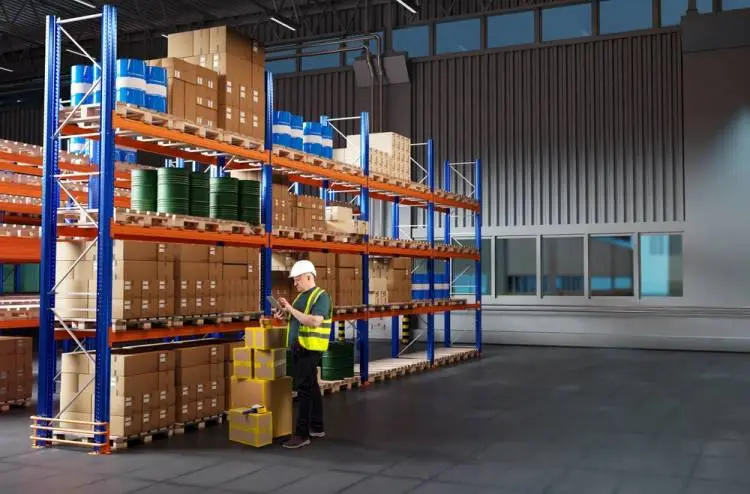
To extract the absolute highest volumetric utility out of your industrial real estate, the physical dimensions of the storage framework must be precisely calculated according to the material specifications of the cargo and the target load profiles. Verifying the overhead Warehouse Racking Clearance between the top pallet and the warehouse roof structure or sprinkler system is an indispensable engineering requirement. Below are the standard technical dimensions most frequently utilized across various industrial sectors:
|
Storage System Classification |
Standard Structural Height |
Standard Bay Depth / Width |
Load Capacity (Per Beam Level) |
|
Heavy-Duty Pallet Racking |
From 4 to 12 Meters |
From 80 to 120 Centimeters |
From 1,000 to 4,000 Kilograms |
|
Medium-Duty Shelving |
From 2 to 4 Meters |
From 60 to 80 Centimeters |
From 300 to 800 Kilograms |
|
Light-Duty Shelving |
Up to 2 Meters |
From 40 to 60 Centimeters |
Up to 200 Kilograms |
It is important to emphasize that these structural metrics represent standard industrial references. They can be completely customized, engineered, and manufactured to match the bespoke needs of any individual project, unique product profiles, or specific warehouse dimensions. This ensures optimal spatial utilization and frictionless material handling. During custom engineering, defining the right safety margins and Warehouse Racking Clearance coordinates guarantees long-term compliance with international safety regulations.
Heavy-duty steel and metal storage racking systems represent highly practical, durable, and reliable engineering solutions. They offer incredible structural integrity and massive load capacity, allowing facilities to hold heavy industrial components safely. Furthermore, they feature excellent modular flexibility, making them simple to modify, expand, or reconfigure over time to easily match the shifting inventory demands of growing factories and dynamic warehouses. Executing a standard Warehouse Racking Clearance inspection ensures that modified frameworks remain structurally sound and safely separated from pedestrian walkways.
To achieve a seamlessly integrated and highly efficient logistical ecosystem, modern facilities rely on an array of supplementary equipment and structural systems, including:
Improve material handling: Learn more about how utilizing the right pallet racking system can streamline your cargo organization and logistics.
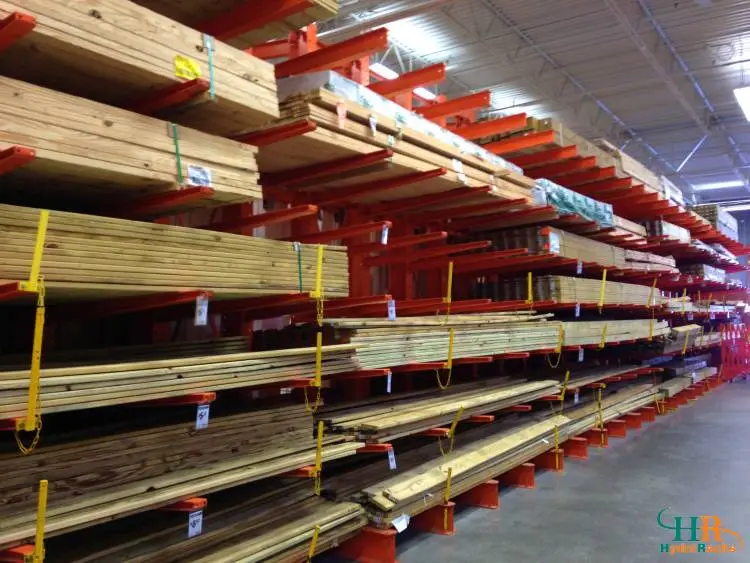
Hydro-Racks stands as a premier market leader specializing in the premium engineering, manufacturing, and deployment of industrial warehouse racking systems and commercial supermarket displays in Egypt. The company delivers fully integrated turnkey storage solutions that seamlessly combine rugged manufacturing quality, high operational efficiency, and masterful spatial maximization. Backed by extensive engineering experience, Hydro-Racks supplies high-performance systems designed strictly in accordance with recognized international engineering standards, using premium structural steel to guarantee long service lives and heavy load capacities.
Furthermore, Hydro-Racks is deeply committed to providing highly competitive market pricing, professional installation services managed by certified field engineers, and dedicated long-term technical support and preventative maintenance. This holistic approach ensures that clients receive a highly secure, efficient, and reliable storage environment tailored to the unique demands of diverse industrial and commercial sectors. Partnering with them guarantees that your facility's Warehouse Racking Clearance layout conforms completely to strict international safety mandates.
In summary, industrial storage systems are not merely static metal structures meant for stacking inventory; they represent a high-return strategic investment that fundamentally elevates warehouse throughput and fuels business productivity. By maximizing spatial volume, organizing stock movement, and accelerating order retrieval, they cultivate an exceptionally safe and highly productive work environment. Conducting a systematic Warehouse Racking Clearance audit helps maintain these high safety standards permanently. Selecting the ideal racking architecture in partnership with a specialized engineering firm is a foundational requirement for establishing a highly efficient logistics operation capable of scaling your business.
If you are ready to modernize your storage facility and unlock its hidden capacity, Hydro-Racks provides complete turnkey solutions encompassing expert engineering design, localized manufacturing, and precision field installation to perfectly satisfy the requirements of industrial and commercial enterprises while adhering to the highest global safety and quality metrics.
Selecting the correct storage system depends on several critical factors, including the physical characteristics and volume of the goods, target weight profiles, total available warehouse floor area and clear height, and the mechanical handling equipment utilized (such as reach trucks or forklifts). Additionally, your choice must align with your inventory management strategy, whether it requires a FIFO or LIFO flow. Factoring in the correct Warehouse Racking Clearance during the planning phase is essential for safe operation.
Yes, routine safety maintenance and structured structural inspections are absolutely mandatory to preserve the ongoing integrity of heavy-duty systems. Maintenance protocols include checking vertical uprights and horizontal beams for structural deflections, identifying deformations caused by forklift impacts, and verifying floor anchoring bolts to guarantee stability. Incorporating a regular Warehouse Racking Clearance validation ensures that structural components remain properly aligned and clear of hazards.