
- مجمع عيادات شارع (9) - الهضبة العليا - المقطم - القاهرة
- +201099885538

The use of a fire extinguishing pipe is an essential element in fire fighting systems, as it is used to transport water or special extinguishing fluids, and to connect the various components of the system to ensure effective flow in emergencies according to approved rules and standards. These pipes are distinguished by the color red to differentiate them from the rest of the pipe systems inside the facility.
Fire extinguishing pipes are characterized by their high pressure resistance, corrosion and high temperature resistance, and are certified under UL and FM lists and conform to national safety standards.
Among the leading companies in this field is Tayba Hydro Racks, which provides high-quality fire pipes in various diameters ranging from 1 inch to 3 inches, making it the ideal choice for installing fire networks in various types of projects.
Fire extinguishers are classified into several types, each using a specific extinguishing agent suited to a particular type of fire. These extinguishers differ in their components, uses, and operating precautions. Below is a simplified overview of the most common types of fire extinguishers:
Each fire extinguisher is designed to suit specific conditions, so it is essential to choose the appropriate type according to the type of potential hazards in the location to ensure effective extinguishing and safe use. Contact us now to learn more about fire extinguisher hoses.
Read more about: : fire fighting systems
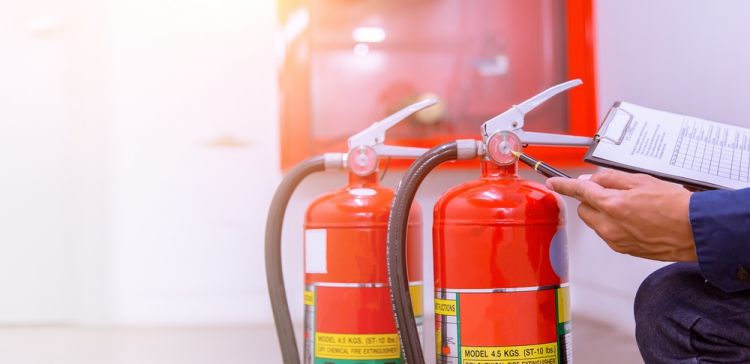
Yes, a fire extinguisher can be used more than once if it is not completely depleted and its pressure is still within the safe range, but that depends on the type of extinguisher and how often it is used.
After every use, even if it is simple, it is important to check the fire extinguisher to make sure that it is still usable, and it is preferable that a specialist does this. In some cases, the fire extinguisher needs to be refilled or serviced before it is used again, so you should not rely on a fire extinguisher that has been used before without checking it well, especially in emergency situations.
The fire extinguishing pipe is mainly used to transport water or liquids used in firefighting systems, as well as to connect firefighting equipment together. According to approved international standards, the pipe must be painted red to distinguish it from other pipes inside the facilities.
It is characterized by its high pressure resistance, corrosion resistance, and high-temperature resistance. It is also UL and FM certified and complies with national safety standards. It is available in two types: galvanized and ungalvanized, in various diameters ranging from 1 inch to 3 inches.
Fire extinguishers are available in several types, and their classification depends primarily on the extinguishing agent they contain, as each type is designed to combat a specific type of fire. Some of the most prominent types of extinguishers include:
To ensureTo ensure the readiness of fire extinguishers in emergencies, it is essential to maintain them regularly according to specific steps that include all types, which are as follows:
Contact us now to learn more about the price of a fire extinguisher hose by contacting Taiba Hydro Racks, one of the largest companies in the industry. Fire fighting companies In Egypt, you can reach us at the following phone numbers:
Fire extinguishers have a lifespan of 12 months, so purchasing one is only the first step in a safety system. Regular inspections and maintenance, including annual maintenance, are essential to ensure they are ready for use when needed. The owner of the extinguishers is required to conduct a comprehensive functional inspection of each extinguisher at least once every 12 months. Here are the steps for inspecting a fire extinguisher:
It is essential to be familiar with the different types of fire extinguishers, as each type has its own method of inspection and maintenance depending on its components and how it is used. Contact us to learn more about fire extinguisher hoses.
Read more about : Fire extinguisher price
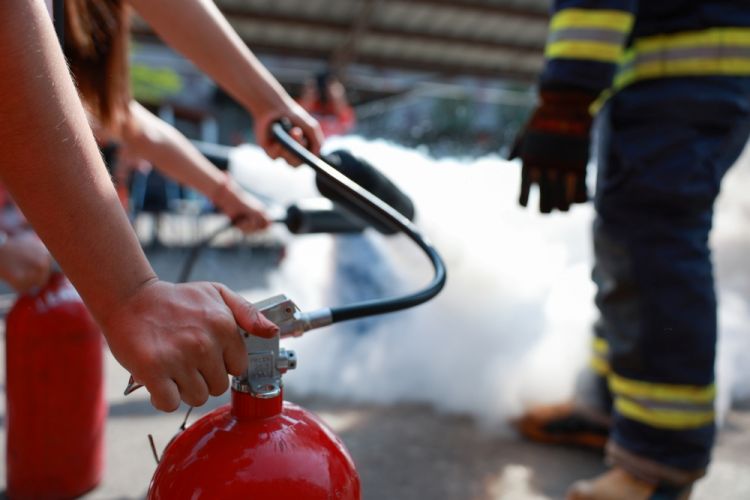
The fire extinguisher cylinder is filled according to the type of material used in it, whether it is water, foam, carbon dioxide, dry powder, or a wet chemical.
The filling process includes first inspecting the cylinder to ensure it is free from damage or corrosion, adjusting the appropriate pressure according to the manufacturer's specifications, then filling it with the designated material while ensuring the integrity of the valves and nozzles. This process must always be carried out by certified technicians to ensure the cylinder's effectiveness and safe use in emergencies.
Fire extinguisher types vary depending on the material used inside them, but for a specific use, for example, a dry powder extinguisher is used with high efficiency in extinguishing fires of solid materials, flammable liquids and gases. It is also effective in fighting electrical fires and is suitable for open spaces, but it leaves a lot of residue.
As for the foam fire extinguisher, it is ideal for extinguishing fires involving flammable liquids such as gasoline and diesel, as it forms an insulating layer that prevents oxygen from reaching the flame. However, it is not used with electrical appliances or electronic device fires. It is characterized by the fact that it does not leave any residue after its use, but it is not suitable in narrow spaces due to the risk of suffocation.
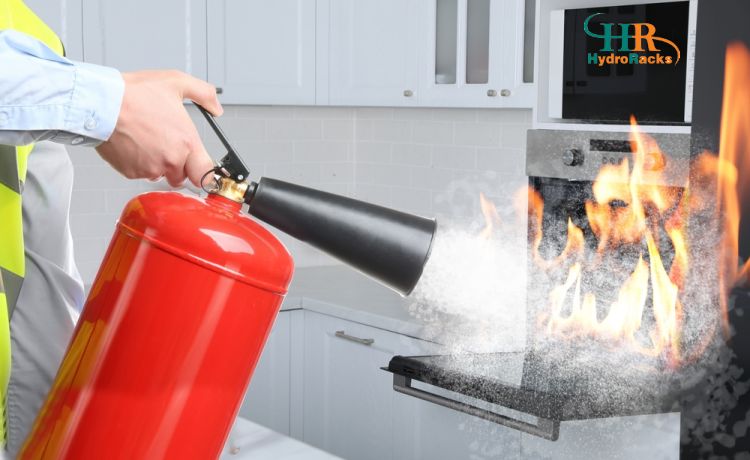
A fire extinguishing pipe is a key component in fire suppression systems and must comply with approved safety standards to ensure its effectiveness in emergencies.
One of the most important technical specifications for these pipes is that they be made of durable materials such as galvanized or black steel or heat-resistant plastic such as CPVC, with the necessity of being able to withstand an operating pressure of up to 175-300 PSI.
Fire hose pipes are typically red for easy identification and must be coated with a layer resistant to corrosion and environmental factors. They are designed in various diameters depending on the nature of the facility and the number of fire hydrants, and are connected using threaded connections, welding, or mechanical joints. Fire hose pipes must be certified by reputable bodies such as UL or FM, and must undergo pressure and quality testing according to NFPA or EN standards to ensure their readiness when needed.
Firefighting companies play a vital role in protecting lives and property from the dangers of fires, by supplying and installing firefighting systems according to the highest standards of quality and safety. Taiba Hydro Racks is one of the leading companies specializing in this field, as it provides certified fire pipes that conform to international technical specifications such as NFPA, UL and FM.
Taiba Hydro Racks is distinguished by its expertise in selecting the right materials and providing integrated solutions starting from supply, through professional installation work, and ending with technical tests and ensuring the efficiency of the systems.
Thanks to its commitment to quality and precision in execution, Taiba Company has become hydro racks An ideal choice for institutions and establishments looking for the best types of fire extinguishing pipes, safety and efficiency in fire suppression systems.