
- مجمع عيادات شارع (9) - الهضبة العليا - المقطم - القاهرة
- +201099885538

Fire suppression systems are among the most important safety and security measures that must be available in all buildings and facilities. With increasing awareness of the importance of these systems, maintaining them has become essential to protecting both lives and property.
Therefore, Tayba Company offers you a comprehensive guide to fire protection systems, which includes everything you need to know about the components and types of these systems, in addition to the best options suitable for your industrial or commercial activity.
Whether you're a business owner or a facility manager, this guide will provide everything you need to ensure the highest safety standards are met. Continue reading this article for more details.
There are many types of fire protection systems used to protect lives and property in various facilities, and each type has its own characteristics and features that make it suitable for specific environments.
One of the most important types of these systems is the water sprinkler system, which is the most common in commercial and residential buildings, as it relies on the automatic distribution of water when a fire is detected to limit its spread.
In addition to fire suppression gas systems used in places containing sensitive equipment such as server rooms and laboratoriesAnd it worksTo extinguish the fire by releasing non-flammable gases such as carbon dioxide or halon to reduce the oxygen content in the environment surrounding the fire.
As for the foam system, it is mainly used in places that contain flammable liquids, such as factories and gas stations, where the foam isolates the surface of the liquid from the surrounding air, thus smothering the fire and preventing it from spreading.
There is also a system known as a water spray that releases very small water droplets which cool the fire quickly and efficiently without causing significant property damage, making it suitable for use inside libraries.
Manual fire extinguishing systems, such as portable fire extinguishers, are also among the most important types of fire fighting systems, as they provide a quick and direct way to combat small fires.
Read more about: Fire extinguishing systems
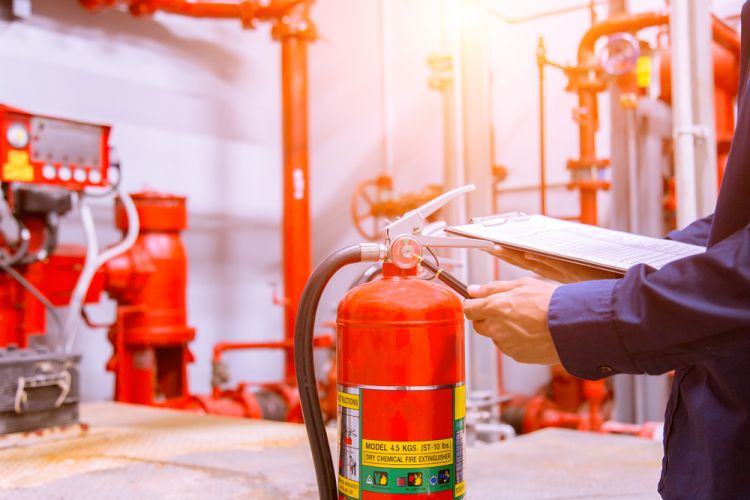
All fire suppression systems are designed and installed in accordance with NFPA standards to ensure effectiveness and efficiency in emergency situations.
Taiba Company offers a course on fire protection systems design, which is one of the essential courses that engineers and technicians specializing in the field of safety and fire prevention should attend.
This course aims to provide participants with the knowledge necessary to design fire protection systems in accordance with global NFPA standards. The course covers a wide range of topics.
This includes risk analysis, selection of the appropriate type of fire suppression system, design of pipe networks, identification of the appropriate type of fire suppression system, design of pipe networks, identification of the locations of water sprinklers and alarms, as well as calculations of water flow and system pressure.
The course also focuses on the use of the latest software in the design and analysis of fire protection systems, which helps participants create accurate and effective designs.
Participants are also trained on how to apply international codes and standards in the design of fire protection systems, in addition to studying practical cases and real-world models that contribute to enhancing their understanding of how to design systems that meet the specific needs of each type of building and facility.
Enrolling in this course not only enhances the ability of engineers and technicians to design fire protection systems efficiently, but also contributes to improving their career opportunities. To book this course, you can contact Tayba Hydroracks Company through the phone numbers.
PDF fire suppression systems consist of several key components that work together to ensure rapid fire detection, control, and effective extinguishing. These components beginSensingThe fire system includes devices and smoke detectors, heat detectors, and flame sensors, which aim to detect the presence of a fire in its early stages. Once a fire is detected, a signal is sent to the fire control panel, which represents the system's center, where it analyzes the data received from the sensors and activates alarms in case of emergency.
The system components also include actual firefighting means such as water sprinklers that automatically release water when a fire is detected, gas firefighting systems that release non-flammable gases to smother the fire in sensitive areas, as well as manual firefighting systems such as portable fire extinguishers that can be used by individuals on site.
The system contains a network of pipes that distribute firefighting water or other materials to the appropriate sprinkler locations or outlets, in addition to fire pumps that ensure the flow of water at sufficient pressure to extinguish the fire.
Fire suppression systems must contain audible and visual alarms to alert residents and individuals to the presence of a fire hazard and the need for immediate evacuation. These components work together to form a system aimed at the rapid detection and control of fires.
Fire suppression systems are systems that are supplied and installed in strategic locations that are easily accessible, enabling their use quickly and effectively when fires occur. In addition, the availability of these systems provides early warning in the event of a fire, giving you the opportunity to take appropriate action to protect lives and property.
Firefighting systems vary and can be differentiated according to the type of fire and the appropriate extinguishing method:
Fire suppression systems are essential not only to comply with government standards and regulations but also to ensure the safety of individuals and reduce the damage that may result from fires in buildings, whether residential, commercial, or industrial.
You can learn more about: FM200 fire design
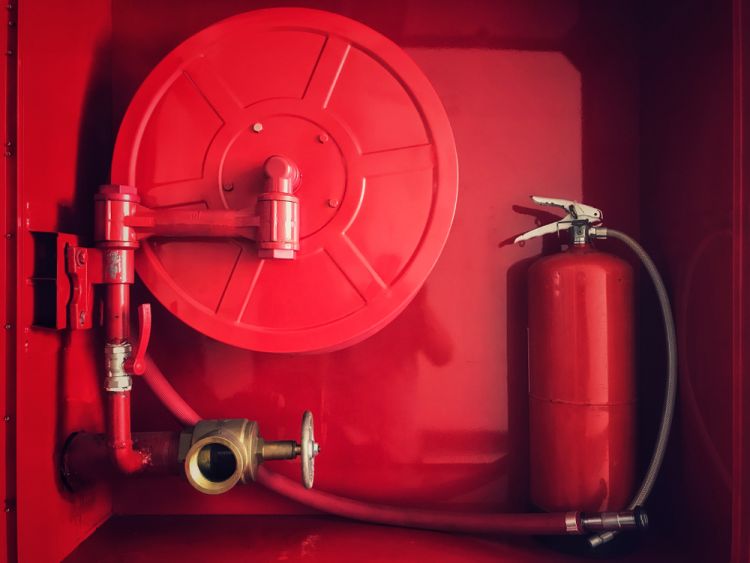
This course aims to train workers to operate firefighting equipment with high efficiency. Upon completion of the course, each participant will be able to:
You can book with Tayba Hydroracks for fire protection systems through phone numbers or via our website.
Designing fire suppression systems is a crucial step to ensure that buildings and facilities are protected from fire hazards. Successful design depends on a precise understanding of the types of hazards that the facility may face, and identifying the best means to combat them efficiently.
The design begins with a comprehensive site assessment that includes an analysis of flammable materials and identification of high-risk areas. Based on this assessment, the appropriate fire extinguishing system is tested, whether it is a water sprinkler system, gas systems, foam systems, or others.
When designing the system, the installation locations of equipment such as water sprinklers, distribution pipes, and control units are determined in a way that ensures optimal coverage for each area.
Accurate calculations of water pressure and flow are also performed to ensure the system's effectiveness in case of emergency. The design is not limited to the technical aspect only, but also includes compliance with international safety standards such as NFPA to ensure that the system meets all safety requirements.
If you are looking for fire suppression systems, you can contact Tayba Company.hydro racks Through phone numbers or our website.
You can learn more about : bavaria fire fighting egypt
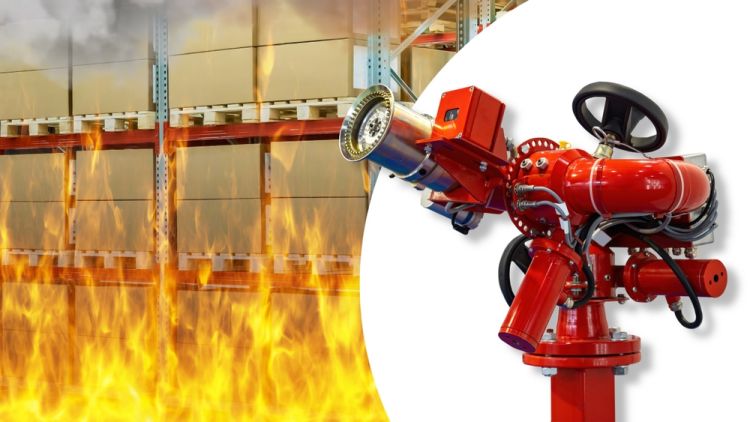
Tayba Company hydro racks is one of the best fire protection systems companies in Egypt, offering prices suitable for all segments of society, with continuous offers and discounts that make it the ideal choice for installing fire extinguishing systems. Once you contact the company's customer service team, one of the representatives will respond to you and provide suitable offers, in addition to determining the most suitable devices for each location. The company is also distinguished by having highly experienced and highly efficient engineers in the maintenance of fire equipment.
Fire protection systems companies are numerous in Egypt due to the urgent need to achieve protection and safety for all buildings and institutions, whether large or small. There is no doubt that scientific development aims to provide human well-being, through the creation of modern technologies that help accomplish tasks easily and safely, the most important of which is protecting people from potential dangers, foremost among them fires.
Fire suppression systems offer many advantages, including reducing the large expenses resulting from fires, and minimizing material and human losses, making the presence of these systems in any facility an indispensable necessity.
RACE is an acronym for Rescue, Alert, Contain, and Extinguish, and it reminds everyone to prioritize safety first: rescuing people, alerting others, containing the fire, and then extinguishing it with the appropriate tools.
PASS stands for Pull, Aim, Squeeze, Sweep, and explains how to use a fire extinguisher: Pull the pin, aim the hose at the base of the fire, squeeze the plunger, and spread the substance to completely cover the fire.
The concepts of RACE and PASS are simple but essential to ensuring a safe emergency response.